What is Pregnancy Induced Hypertension?
Pregnancy induced hypertension (PIH) means high blood pressure that starts after 20 weeks of pregnancy. This condition can affect both the mother and the baby. In many cases, it goes away after delivery. However, it can lead to serious problems if not managed well. According to the World Health Organization (WHO), PIH is a common issue during pregnancy. Early detection and care are important for a healthy pregnancy.
Symptoms of Pregnancy Induced Hypertension
Often, PIH does not cause clear symptoms at first. Still, some women may notice warning signs. Early recognition helps prevent complications. Watch for these symptoms:
If you notice any of these PIH symptoms, contact your doctor right away. Quick action can protect you and your baby.
Causes and Risk Factors
Doctors do not know the exact cause of pregnancy induced hypertension. However, several risk factors can increase your chances. For example, first-time mothers are more likely to develop PIH. Other risk factors include:
Even though some risks cannot be changed, knowing them helps you and your doctor watch for signs early.
How is Pregnancy Induced Hypertension Diagnosed?
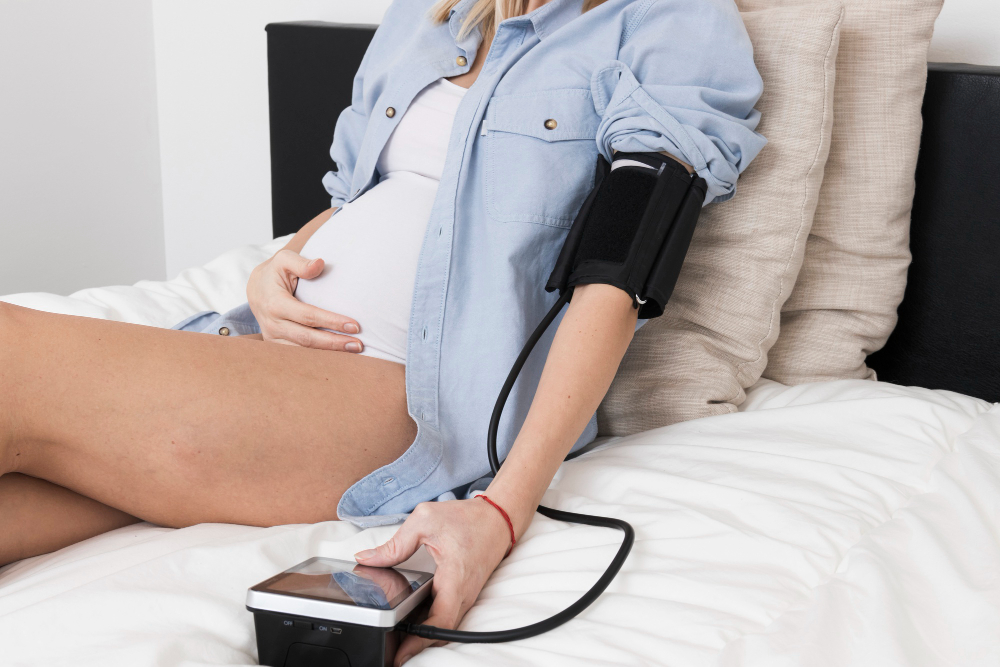
Doctors diagnose PIH by checking your blood pressure at each prenatal visit. If your blood pressure is 140/90 mmHg or higher after 20 weeks, you may have PIH. In addition, your doctor may order urine tests to check for protein. Blood tests can also help rule out other problems. Sometimes, doctors use ultrasound to check the baby’s growth. Regular check-ups are key for early diagnosis and safe pregnancy care.
Treatment Options
Treating pregnancy induced hypertension depends on how severe it is. For mild cases, doctors may suggest more rest and frequent check-ups. In some cases, you may need to stay in the hospital. Treatment options include:
For severe PIH, early delivery may be needed to protect both mother and baby. Always follow your doctor’s advice for managing pregnancy hypertension.
Lifestyle Tips and Prevention
While you cannot prevent all cases of PIH, healthy habits can lower your risk. For instance, eating a balanced diet helps keep your blood pressure in check. Here are some tips for pregnancy hypertension prevention:
Because early care matters, talk to your doctor about your risk factors. Simple changes can make a big difference.
When to See a Doctor
It is important to see your doctor if you notice any symptoms of PIH. For example, sudden swelling, headaches, or vision changes should not be ignored. Even if you feel fine, regular prenatal visits are vital. Your doctor can spot problems early and help you manage them. If you have concerns about high blood pressure during pregnancy, do not wait. Early action keeps you and your baby safe.
In summary, pregnancy-induced hypertension is a serious but manageable condition. With early diagnosis, proper treatment, and healthy habits, most women have healthy pregnancies. Consult Panacea Meridian Hospital for personalized advice on pregnancy-induced hypertension.