
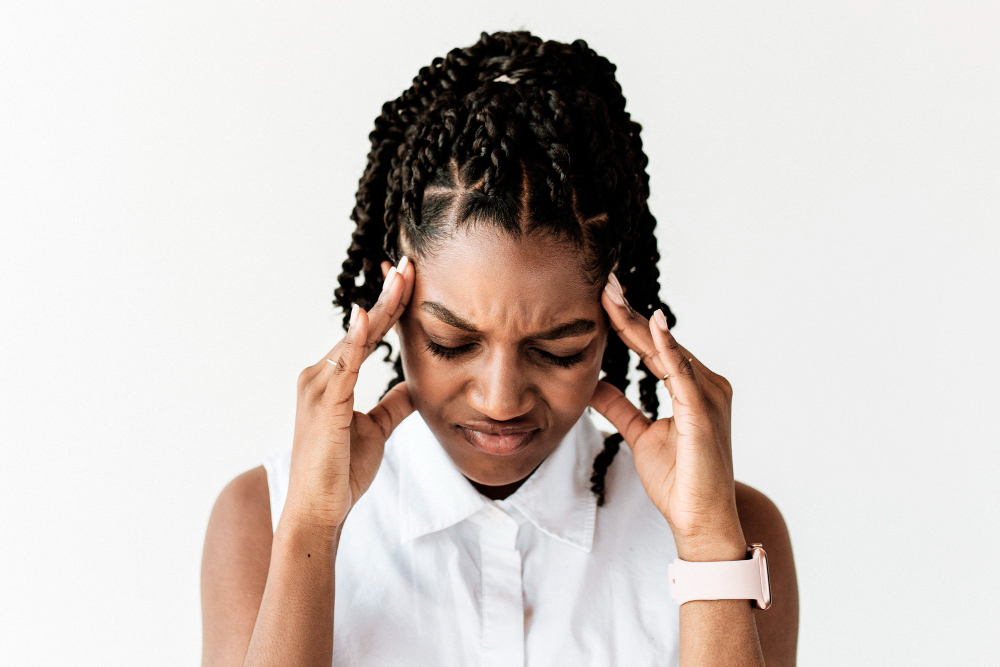
What is a Cluster Headache?
Cluster headache is a rare but very painful type of headache. It often affects one side of the head, usually around the eye. Unlike common headaches, cluster headaches come in groups or “clusters.” These attacks can last for weeks or months. During a cluster period, headaches may strike several times a day. According to the World Health Organization (WHO), cluster headaches are less common than migraines, but they can be much more severe. Because of their intense pain, cluster headaches are sometimes called “suicide headaches.”
Symptoms of Cluster Headache
Cluster headache symptoms are unique and easy to spot. However, they can be mistaken for other types of headaches. Knowing the signs can help you seek the right care. Common symptoms include:
Additionally, some people may notice sweating on the face or forehead. Because the pain is so strong, people often cannot sit still during an attack.
Causes and Risk Factors
Doctors do not know the exact cause of cluster headaches. However, research suggests that changes in the brain’s hypothalamus may play a role. The hypothalamus controls your body’s clock, which may explain why attacks happen at the same time each day. Several risk factors can increase your chances of getting cluster headaches:
Even though triggers like alcohol or strong smells can set off an attack, they do not cause the condition itself. Instead, they only affect people who already have cluster headaches.
Diagnosis of Cluster Headache
Doctors diagnose cluster headaches by asking about your symptoms and medical history. They may also do a physical and neurological exam. Since other conditions can cause similar pain, your doctor may order tests such as:
These tests help rule out other problems, like brain tumors or infections. However, there is no single test to confirm cluster headache. Therefore, a detailed description of your symptoms is very important.
Treatment Options
Cluster headache treatment focuses on stopping attacks quickly and preventing future ones. Because the pain is so intense, fast relief is key. Common treatment options include:
In some cases, your doctor may suggest nerve blocks or other procedures. If you are looking for cluster headache treatment in your city, ask your healthcare provider about local options. Early treatment can help reduce pain and shorten cluster periods.
Lifestyle Tips and Prevention
While you cannot always prevent cluster headaches, some lifestyle changes may help reduce attacks. For example, you can:
Additionally, keeping a headache diary can help you and your doctor find patterns and triggers. This can lead to better treatment and fewer attacks.
When to See a Doctor
Cluster headaches are very painful and can affect your daily life. Therefore, you should see a doctor if you have sudden, severe headaches, especially if they come in groups. Also, seek help if you notice new symptoms, such as vision changes or weakness. Early diagnosis and treatment can improve your quality of life. If you live in a specific area, ask about cluster headache specialists near you.
In summary, cluster headaches are serious but treatable. Consult Panacea Meridian Hospital for personalized advice on cluster headache management.