What is Hyperemesis Gravidarum?
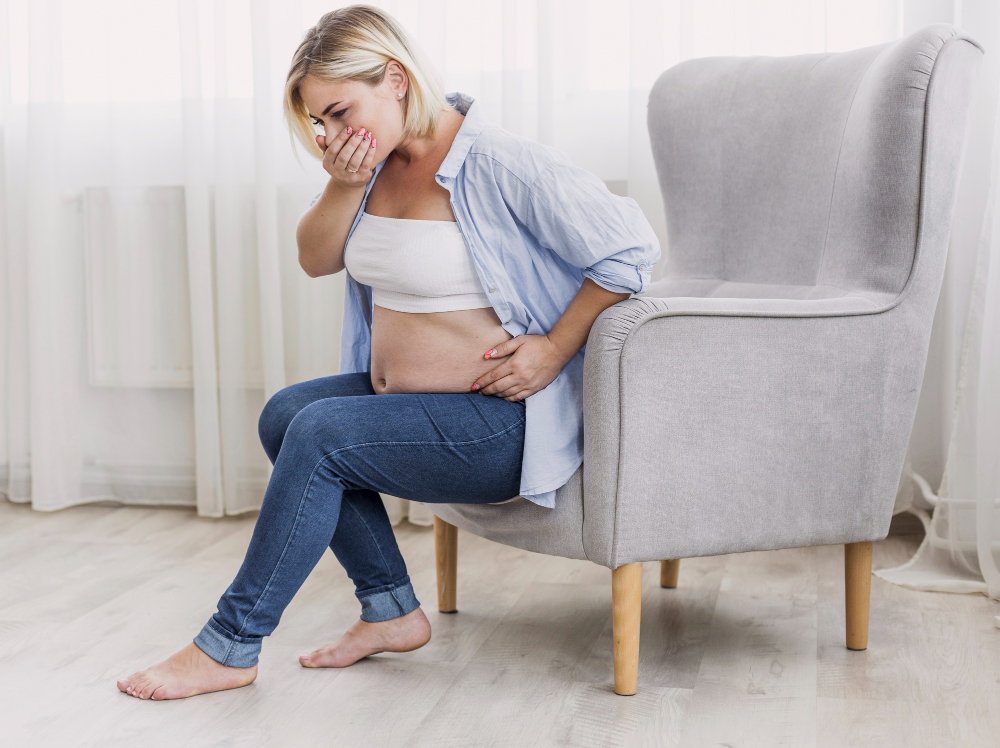
Hyperemesis Gravidarum is a severe form of nausea and vomiting during pregnancy. Unlike typical morning sickness, it can cause serious health problems for both mother and baby. Many women experience some nausea in early pregnancy. However, Hyperemesis Gravidarum is much more intense and lasts longer. This condition can lead to dehydration, weight loss, and even hospital visits. According to the World Health Organization, it affects about 1-3% of pregnant women worldwide.
Common Symptoms and How It Differs from Typical Morning Sickness
Most pregnant women have mild nausea, often called morning sickness. But Hyperemesis Gravidarum is different. It can cause:
In contrast, typical morning sickness is milder and usually goes away after the first trimester. With Hyperemesis Gravidarum, symptoms can last much longer and may need medical care.
Causes and Risk Factors
Doctors are not sure what causes Hyperemesis Gravidarum. However, several factors may increase the risk. For example, high levels of pregnancy hormones like hCG may play a role. In addition, women carrying twins or more are at higher risk. Other risk factors include:
Still, anyone can develop this condition, even without these risk factors.
Diagnosis Methods
Doctors diagnose Hyperemesis Gravidarum by looking at symptoms and medical history. They may ask about how often you vomit and how much weight you have lost. Blood and urine tests can help check for dehydration and other problems. Sometimes, doctors use ultrasound to rule out other causes, like multiple pregnancies or health issues. Early diagnosis is important to prevent serious complications.
Treatment Options and Management Strategies
Treating Hyperemesis Gravidarum often starts with simple steps. For mild cases, eating small meals and drinking fluids may help. However, severe cases may need more care. Treatment options include:
Doctors will choose the safest treatments for both mother and baby. In many cases, symptoms improve by the second half of pregnancy.
Impact on Pregnancy and Maternal Health
Hyperemesis Gravidarum can affect both mother and baby. For mothers, it can cause extreme tiredness, stress, and even depression. In rare cases, it may lead to kidney or liver problems. For babies, there is a risk of low birth weight if the mother cannot keep food down. However, with proper care, most women go on to have healthy babies. Early treatment helps reduce risks and improve outcomes.
Lifestyle Tips and Self-Care Guidance
While medical care is important, self-care can also help manage symptoms. Here are some tips:
Remember, every woman is different. What works for one may not work for another. Always talk to your doctor before trying new remedies.
Prevention and When to Seek Medical Help
There is no sure way to prevent Hyperemesis Gravidarum. However, early care can help manage symptoms. If you notice severe nausea, cannot keep food or water down, or lose weight, seek medical help right away. Other warning signs include:
Prompt treatment can protect both you and your baby. Do not wait if you feel very unwell.
Conclusion
Hyperemesis Gravidarum is a serious condition that needs proper care. With the right support, most women recover and have healthy pregnancies. Consult a healthcare professional at Dr. Suresh Reddy for personalized advice on Hyperemesis Gravidarum.