
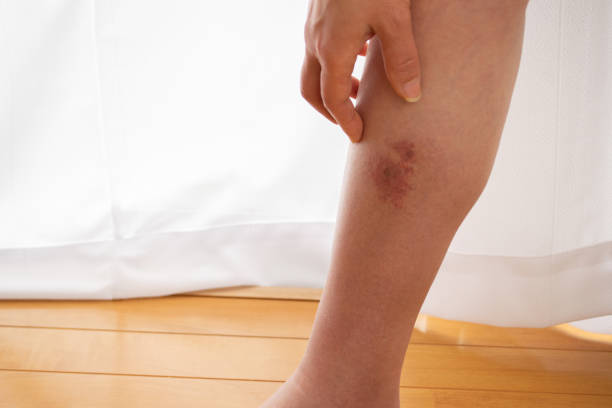
Cellulitis is a common skin infection. It happens when bacteria enter the skin through a cut or crack. As a result, the skin becomes red, swollen, and painful. Cellulitis can affect any part of the body, but it often appears on the legs or arms. Although most cases are mild, some can become serious if not treated quickly. Therefore, knowing the signs and how to prevent cellulitis is important for everyone.
Common Symptoms of Cellulitis
Symptoms of cellulitis can appear suddenly. Early treatment helps prevent complications. Look for these signs:
If you notice these cellulitis symptoms, seek medical advice. Sometimes, the infection can spread quickly. For this reason, early care is best.
Causes and Risk Factors
Cellulitis is usually caused by bacteria, most often Streptococcus or Staphylococcus. These germs enter the skin through breaks, such as cuts, scrapes, or insect bites. However, some people have a higher risk of getting cellulitis. These risk factors include:
Because these factors increase risk, it is important to protect your skin and treat wounds quickly.
How is Cellulitis Diagnosed?
Doctors diagnose cellulitis by looking at your skin and asking about your symptoms. Usually, no special tests are needed. However, in some cases, your doctor may:
Because cellulitis can look like other skin problems, a doctor’s exam is important. Early diagnosis helps start the right treatment.
Treatment Options for Cellulitis
Treating cellulitis quickly is important. Most cases need antibiotics, which kill the bacteria causing the infection. Your doctor may give you pills to take at home. However, if the infection is severe, you may need antibiotics through a vein in the hospital. In addition, your doctor may suggest:
For mild cellulitis, symptoms often improve within a few days of starting treatment. But, always finish all your medicine, even if you feel better. If symptoms get worse or do not improve, contact your doctor right away.
Prevention Tips
Preventing cellulitis is possible with good skin care. Try these simple steps:
Because prevention is easier than treatment, these steps can help lower your risk of cellulitis.
When to See a Doctor
Sometimes, cellulitis can become serious. See a doctor right away if you notice:
Early medical care can prevent complications. Do not wait if you think you have cellulitis.
Conclusion
Cellulitis is a common but treatable skin infection. Knowing the symptoms, causes, and treatment options can help you stay healthy. If you suspect cellulitis, consult Panacea Meridian Hospital for personalized advice.