
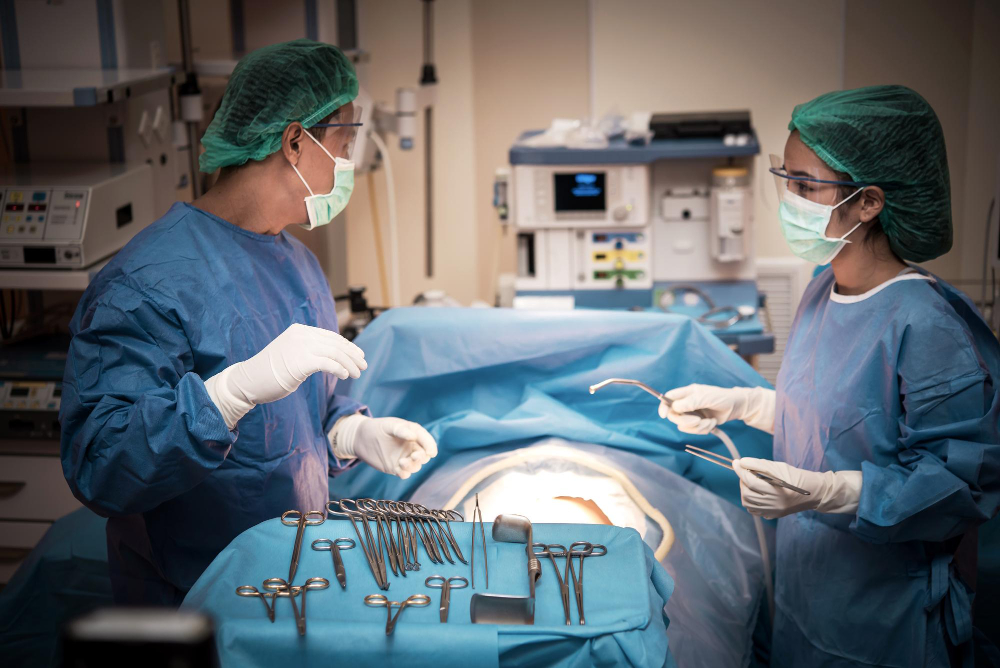
Introduction to Colectomy (Colon Surgery)
Colectomy is a surgery to remove part or all of the colon. The colon is a long tube in your belly that helps move waste out of your body. Doctors may call this operation colon surgery or a colon removal procedure. Many people feel nervous about colectomy but knowing what to expect can help. According to the CDC, colectomy is a common treatment for several colon problems.
When is Colectomy Needed?
Doctors may suggest colectomy for different reasons. Sometimes, colon surgery is the best way to treat serious health problems. For example, you may need a colectomy if you have:
In some cases, colectomy can save lives. However, doctors only suggest it when other treatments do not work.
Types of Colectomy Procedures
There are several types of colectomy. The type depends on how much of the colon is removed. Some common types include:
Each type has its own risks and benefits. Your doctor will choose the best option for your condition.
How is Colectomy Performed?
Doctors can do colectomy in two main ways. First, they may use open surgery, where they make a large cut in your belly. Second, they may use laparoscopic surgery, which uses small cuts and a camera. Laparoscopic surgery often means less pain and a quicker recovery. During the operation, the surgeon removes the damaged part of the colon. Sometimes, the healthy ends are joined together. In other cases, a new opening called a stoma is made for waste to leave the body.
Risks and Complications
Like all surgeries, colectomy has some risks. However, most people recover well. Possible risks of colectomy include:
Your doctor will talk with you about these risks before surgery. According to the World Health Organization, careful care can lower the chance of problems.
Recovery and Aftercare
After colectomy, you will stay in the hospital for a few days. Nurses and doctors will watch you closely. You may get fluids and food through a tube at first. Soon, you will start eating soft foods. Most people can go home in about a week. However, full colectomy recovery may take several weeks. It is important to follow your doctor’s advice during this time.
Tips for a Healthy Recovery
There are steps you can take to heal well after colon surgery. For example:
If you have questions about colectomy recovery, ask your healthcare team. They can help you stay on track.
In summary, colectomy is a colon removal procedure that can treat many serious health issues. If you need colectomy in your city, talk to a trusted doctor. Consult a qualified surgeon at Panacea Meridian Hospital for personalized advice about colectomy.